1st May 2024 | Vamseekrishna Malempati | Reading time - 8 min
The evolution of the internet and enhanced network bandwidth expanded cloud computing exponentially. The advent of COVID-19 outbreak had compelled businesses to involve work from home, making cloud technologies shine even brighter than ever before. Cloud adoption continues to grow in popularity as more enterprises replace the upfront costs and long-term maintenance of physical servers and on-premises infrastructure with scalable, flexible, on-demand computing resources of the public cloud.
From creating a flexible digital work environment, supporting health services to enabling dependable online commerce, cloud computing has a crucial role to play. To leverage cloud services, we must understand the different types of cloud computing. This write-up will help you gain a better understanding of various kinds of cloud models and the major differences between them.

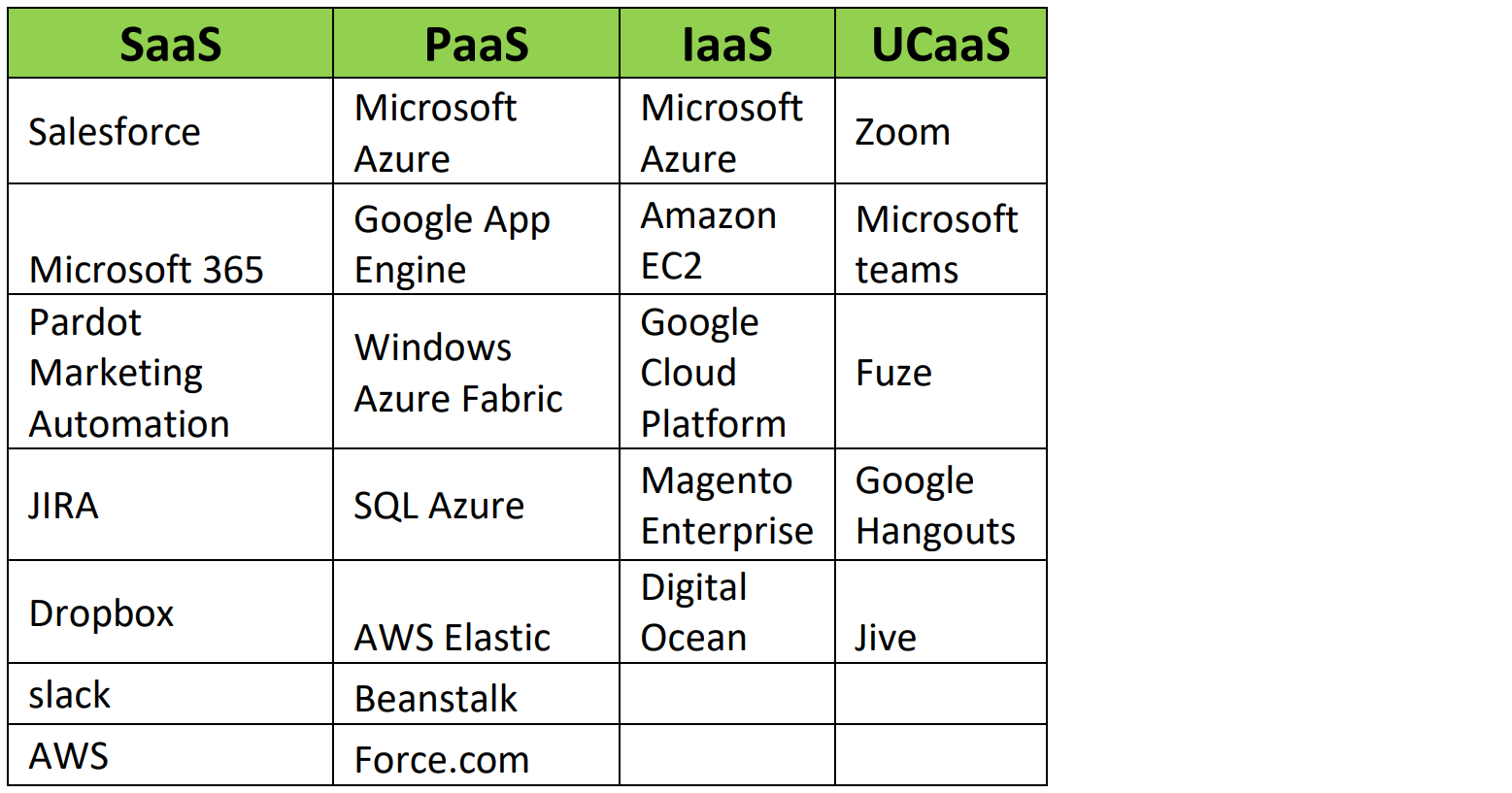
It represents a complete product that is run and overseen by a cloud service provider/vendor. SaaS is a service in the cloud, extending an entire software suite in pay as you go form. It is made accessible to the end-consumers over a global network like an internet. SaaS is the superset of both on PaaS and IaaS as it offers the entire package from infrastructure, middleware, OS to applications deployed over the web, that can be impeccably accessed, invariant to time, place and platform. This completely developed cloud service model encourages businesses to get going, as a scalable business operation remotely.
Features and benefits
It is a subset of SaaS, and it is built on virtually the same infrastructure as IaaS. Besides that, in this service model, the vendor assists companies with middleware, database management systems, OS, web servers and development tools. All of these encapsulate a remote environment where users can build, compile and run their software products without requiring any in-house hardware/software. Thus, PaaS enables users to emphasize their application resources and effectively manage their data as the rest of the things will be handled efficiently by the vendors. Since the platform is web-accessible, remote development units can have ready access to all the assets ubiquitously. This, in turn, will help them to improve their product development life cycle, resulting in more agile product delivery.
Features and benefits
Infrastructure-as-a-service (IaaS) is one of the most pliable cloud computing service models which presents the required infrastructure and all the computing resources to users in an entirely remote environment. The vendors delivering PaaS service are responsible to provide advanced services to address a company’s infrastructure needs, which involves data storage space, servers, virtualization, and networking. IaaS is a highly expandable and lucrative service as outsourcing data centers, cloud components and servers annihilate the necessity for establishing an in-house infrastructure. This service model can aid you to upscale and downscale your infra service on-demand. IaaS will be a good fit for SMEs and startups that might not have ample resources to buy essential infra for building their own network.
Features and benefits
Unified communications-as-a-service (UCaaS) is trending up, as this service model presents continuity of communication and remote collaboration services to users worldwide, via cloud network. Moreover, this service model provides advanced security and reliability, enabling the remote workforce to work seamlessly in a secure, virtualized cloud environment. As work-from-home is becoming a norm and the digital workplace becoming the future of work, both SMEs and large enterprises are embracing UCaaS services to keep their teams connected while they work apart. UCaaS platform not only empowers the mobile workforce to connect and collaborate over phone/video calls but also enables them to share files, documents, or resources via the cloud infrastructure for streamlined workflows.
Features and benefits
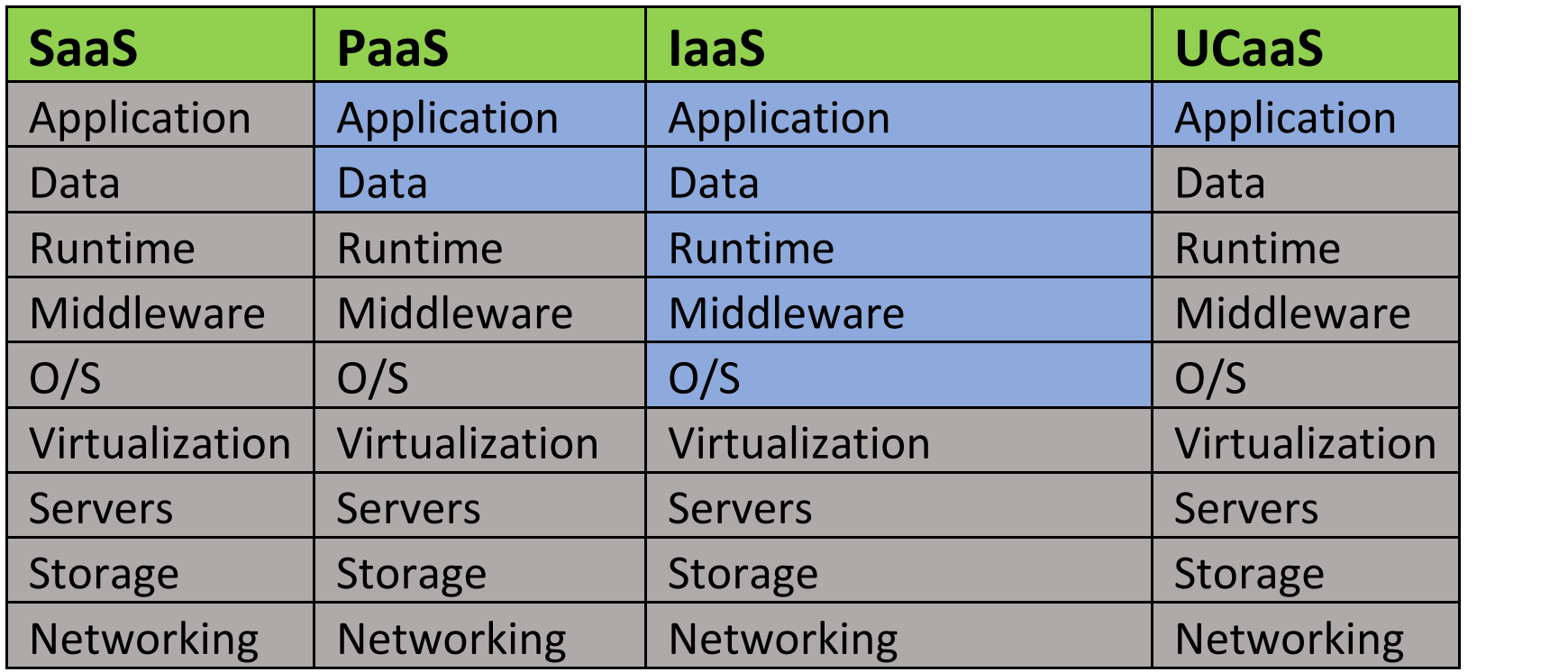
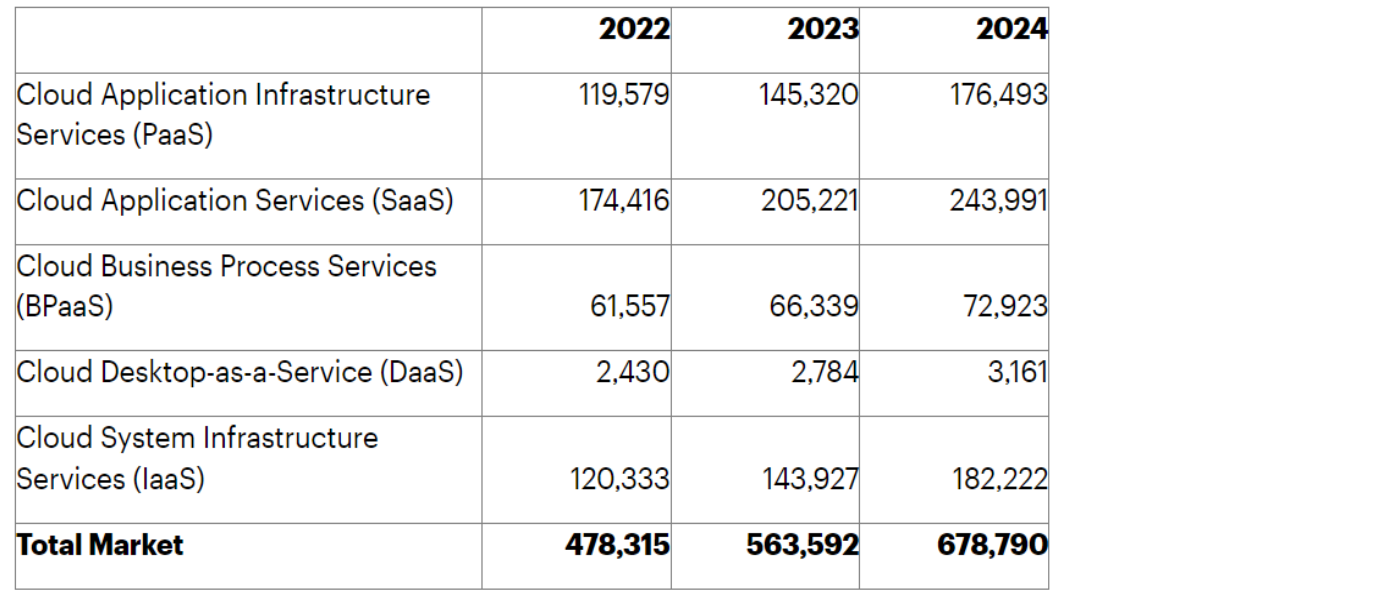
Source from Gartner report.
Cloud Computing has the potential to be one of the biggest technological revolutions. With almost everything in the digital world being connected to the cloud in some way or another, cloud services are more likely to be distributed, trusted, intelligent and concentrated.
To get in touch with ACS for your cloud requirements or any other business enquiries, please reach out at Contact us | Anya Consultancy Services.
Our product experts are waiting to help you!